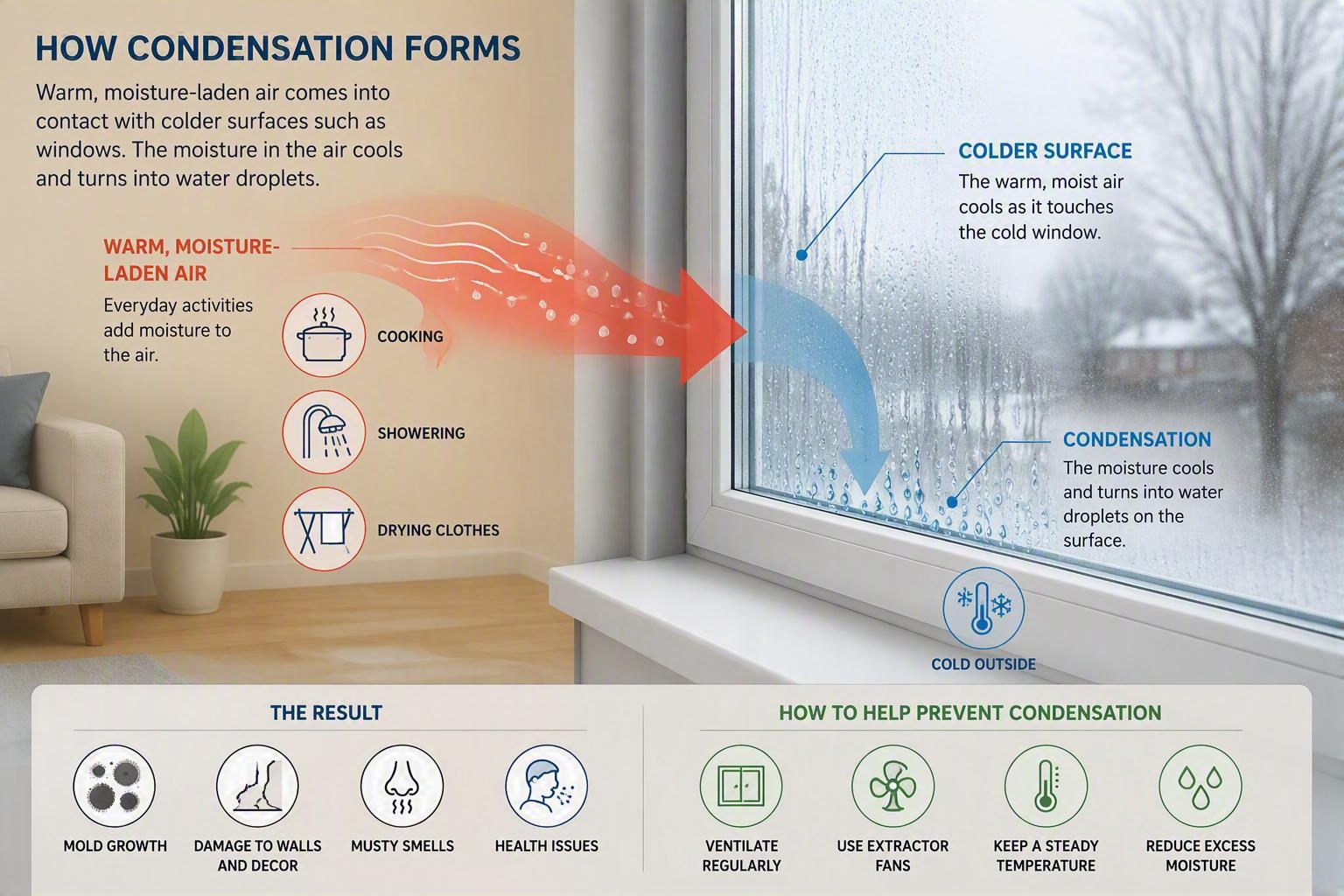
Condensation Damp causes mould growing in your home could be making your family ill every single day because what starts as condensation on a bedroom window or cold wall can quickly turn into dangerous black mould and promote ideal conditions for mites. As mould spreads, millions of microscopic spores are released into the air, where they can be inhaled by everyone in the property.
These spores can trigger asthma attacks, breathing difficulties, chest infections, skin conditions and other serious health issues. Young children, babies and elderly people are often the most affected.
Recent tragedies have highlighted the devastating consequences of living with untreated damp and mould, with prolonged exposure contributing to serious illness and, in some cases, death.
If mould is visible in your home, your health could already be at risk. Don’t ignore it.
We know Condensation Damp and Mould in your home can be detrimental to the health and wellbeing, not only for you, but for your whole family. Where there is constant condensation that is not allowed to dry out, fungi and black mould can begin to grow. Black mould can cause skin irritations, breathing issues, and in some cases can even kill.
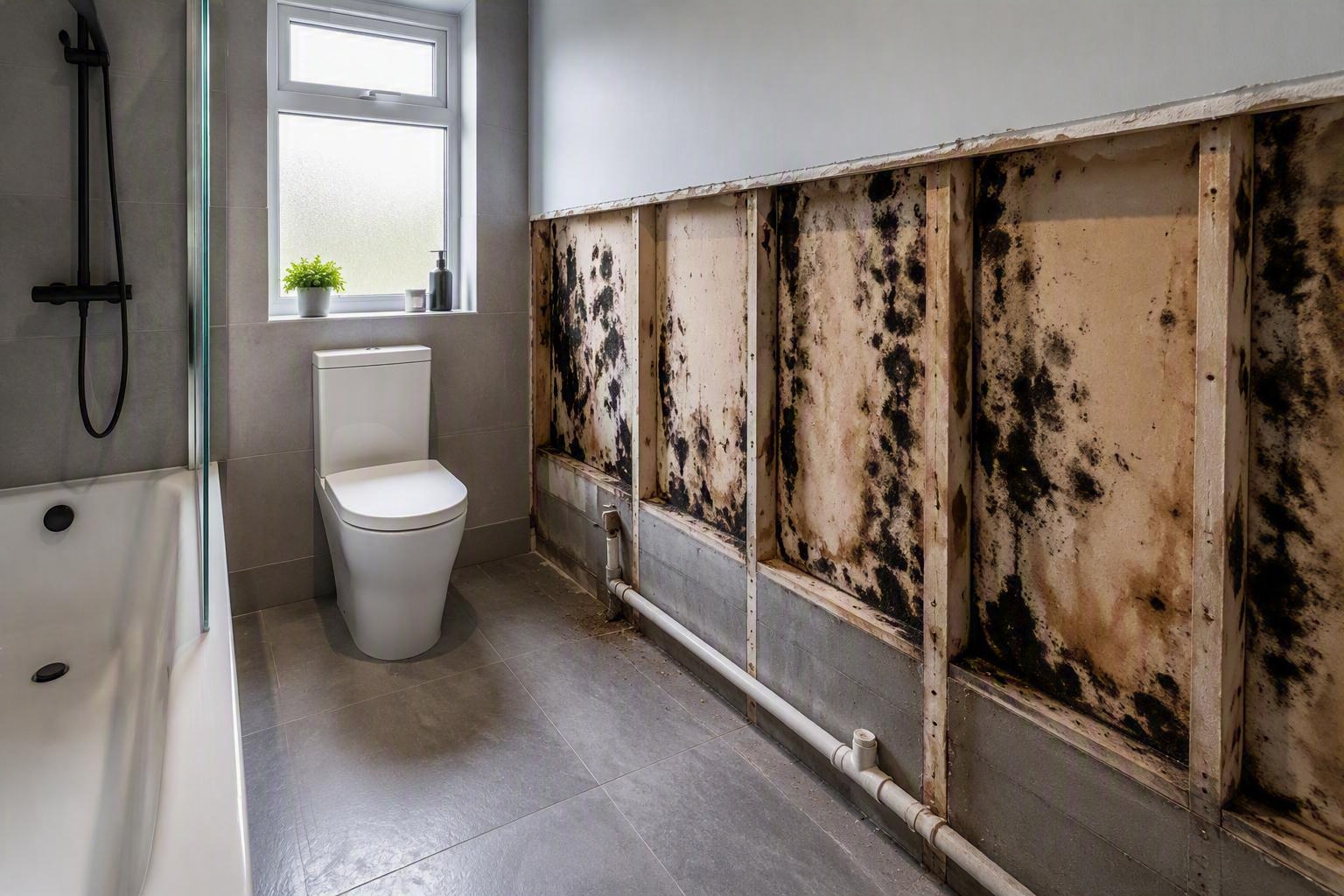
Toxic Black Mould
Were black mould can be seen growing, this is usually because of condensation caused by poor ventilation or insufficient heating, water leaks, penetrating damp from leaky gutters, leaky rooves, poor brickwork and lack or or insufficient insulation to ceilings and walls.
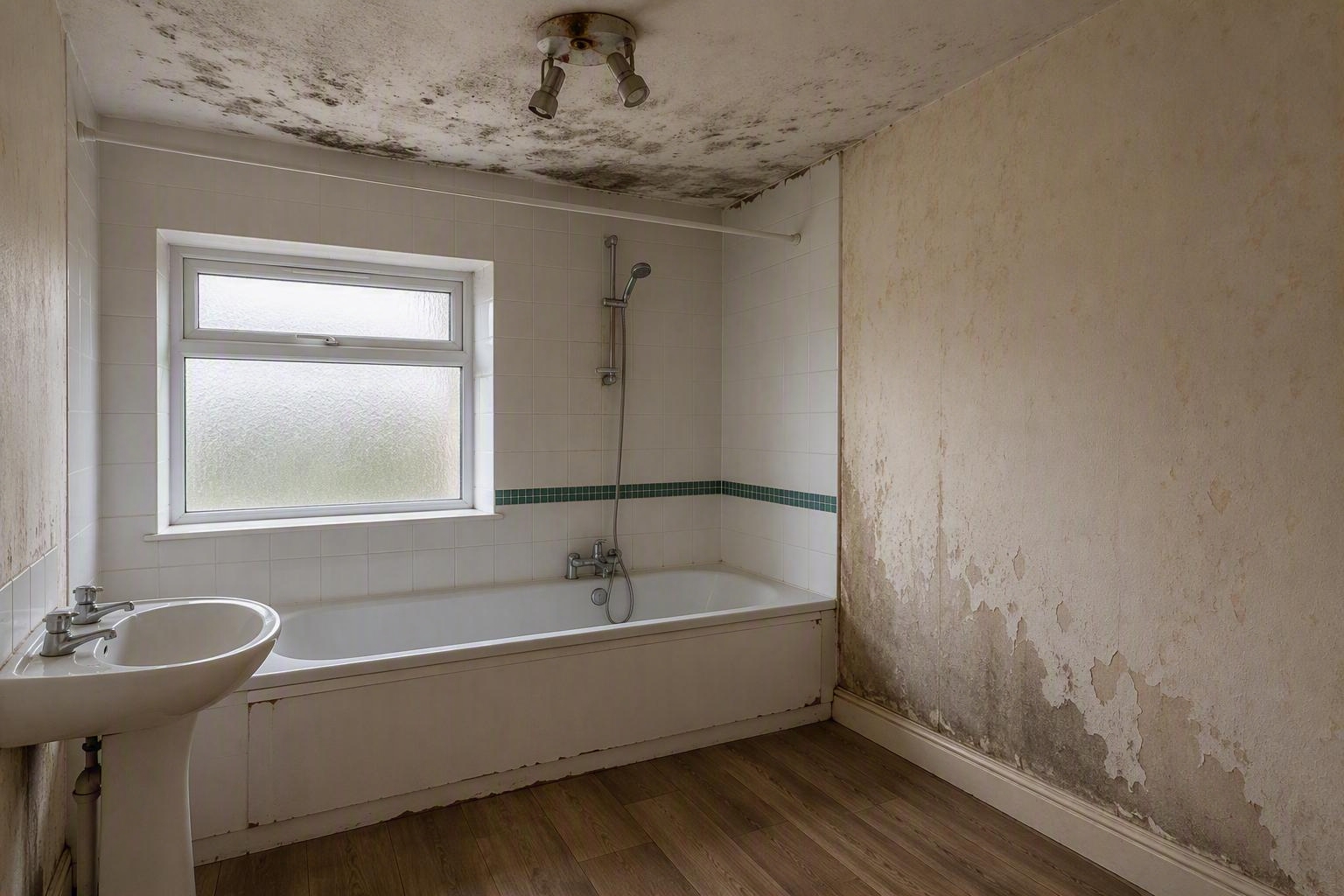
The Route Cause of Condensation Damp and Mould
The route cause of Condensation Damp and Mould can be tricky to understand without having a good understanding of ventilation, heating requirements, and the condition of your home and other contributing factors.
Leaks from gutters, rooves, pipes cause condensation damp and mould
Water leaks of any kind should be remedied as soon as possible to prevent mould, rot, structural defects and deterioration of your home. Leaks from outside from gutters and down pipes can penetrate your external walls causing damp and mould within your home.
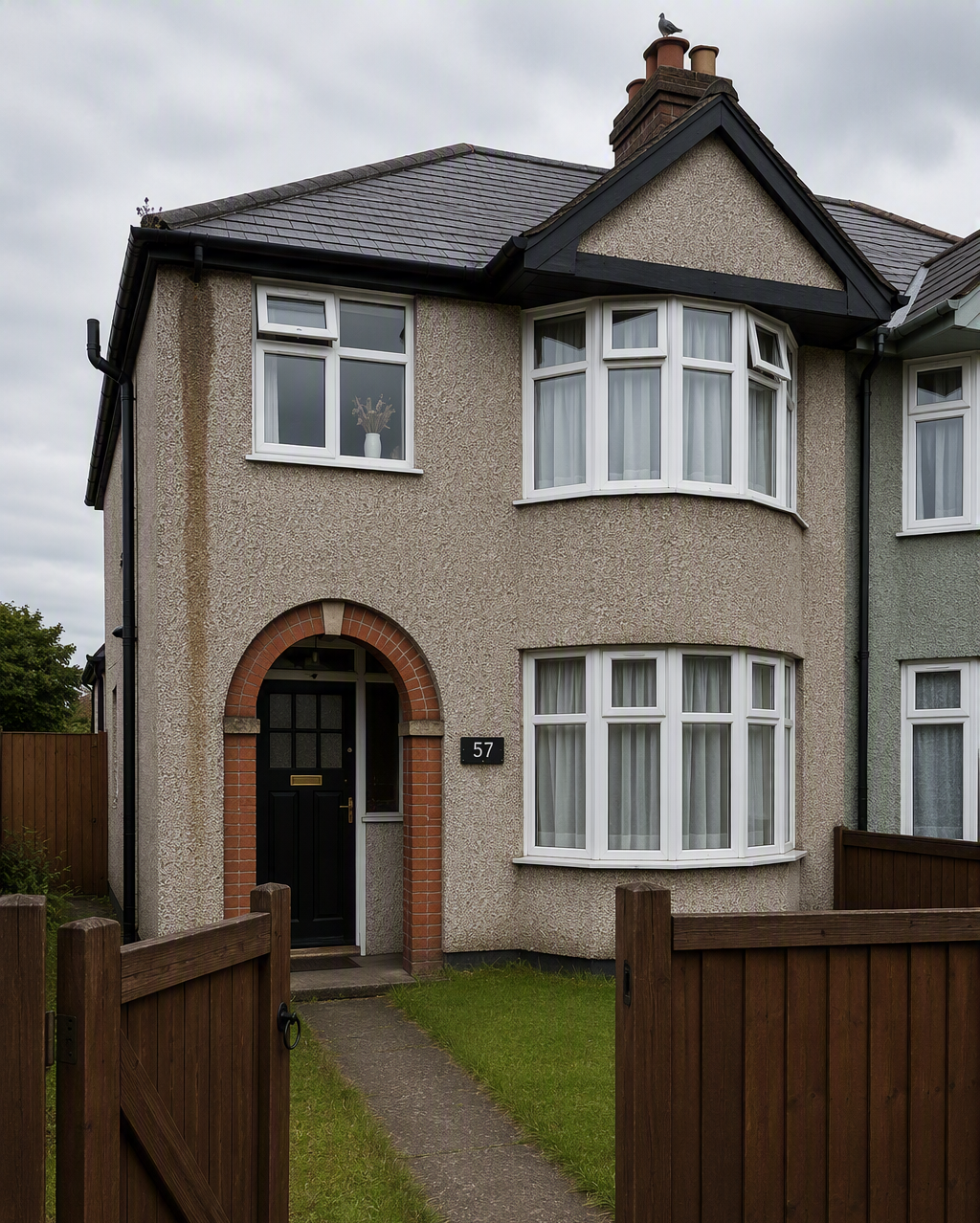
Rising damp in Liverpool
Rising damp within your home can be caused by a defective or non existant damp course in your solid walls. Damp moves up from the ground into your walls and plaster causing damage to the plaster, damp patches and mould, The damp areas of your wall will be colder than other areas attracting condensation to these cold, wet areas making your damp and mould problems even worse.
Other Causes Of Condensation Damp and Mould in Liverpool
Where the cause of the damp or mould is not so obvious, your whole house ventilation, heating and uninsulated areas such as ceilings and walls should be assessed by a competent person. Not only can these areas be the cause of your damp and mould, but they could also contribute to the rising cost of heating your home.
Ventilation T Combat Condensation Damp and Mould
The main cause of moisture within our home is from ourselves as we live and breath, cooking and bathing. The moisture we produce needs to be extracted and vented to outside to allow clean, fresh air into our home to improve comfort and help promote a healthy home with this clean, fresh air.
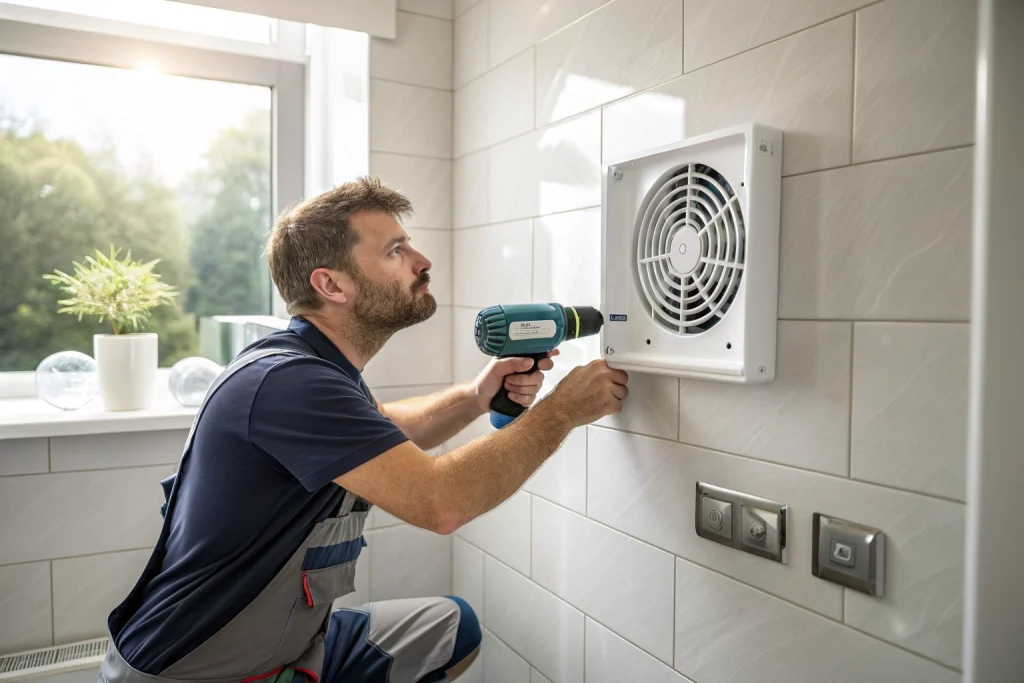
Having insufficient ventilation or to much ventilation can cause major issues. As a rule of thumb, all habitable rooms such as living rooms, dining rooms and bedroom, should have window vents or airbricks to outside air, and kitchens bathrooms and shower rooms should also have extractor fans to extract the moist air to outside.
Heating to dry your damp home
Your heating system should be able to heat your habitable rooms such as living rooms, dining rooms and bedrooms to 21°C and all other areas to 19°C. Where any of these rooms or spaces can not reach these comfortable minimum temperatures, condensation may occur causing damp and mould.
Upgrading your heating system to a new energy efficient boiler or Air Source Heat Pump (ASHP) with radiators and controls could create a warm and cosy home wile reducing damp, condensation, and mould issues.
Insulation To Keep Your Home Warm
Heat escapes from our homes through floors, walls windows and rooves. To help prevent heat loss, windows can be double glaze, your external walls could have insulation and your loft may have 300mm of insulation or more.
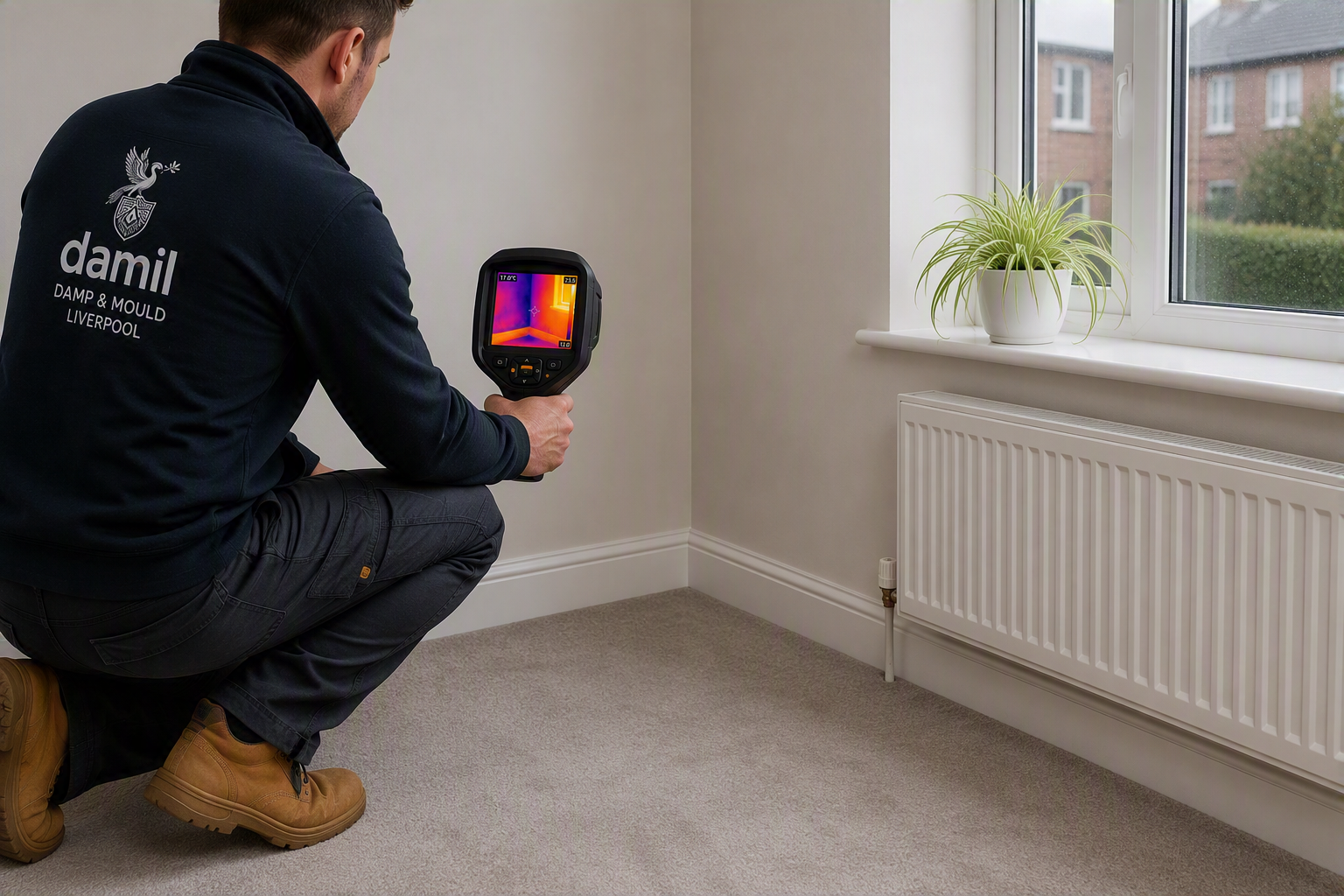
Where your windows, walls or loft/roof do not have these minimum requirements, there can be very cold areas withing your home that promote condensation, damp and mould while also increase the amount of energy required to heat your cold uninsulated home, leading to higher heating bills.
Insulating your walls rooves and floors will lower the amount of energy required to heat your home, reducing your heating bills and reducing the risk of damp, mould and condensation
Help With Condensation Damp and Mould
If you would like further help and advice with your condensation, damp and mould issues, and live in the Liverpool or surrounding areas, you can call us direct on 0151 374 0044 or call Andy on 07831 564351 for some free help and advice.
Contact DAMIL below
email: hello@damil.info
Tel: 0151 374 0044